Regulation changes to enable easier use of gene editing in UK agriculture
Following a consultation with scientists and the public, DEFRA, the UK’s environmental regulation agency, has announced a change in regulation of gene editing technologies. Under the new regulations, it will be easier to use these emerging technologies in the breeding of crops for England’s agriculture. But what exactly does this mean, and what implications might this decision have for sustainability, inequality and development?
Gene editing is a new, more precise way to make changes in genes of plants and animals
Gene editing, using CRISPR-Cas9 and a few other technologies, differs from earlier forms of GM-breeding because it makes changes in specific place in the genetic sequence of the organism in question, instead of incorporating a foreign piece of DNA into a random position in the genome. This makes gene editing more precise, but also allows many applications where scientists can turn naturally existing genes on or off, for example to breed plants without certain allergens, or with better defences against some pests.
In those cases, the final variety would not contain any DNA sequence not naturally found in the plant, except for a small change that could have occurred randomly without human intervention. It is these uses, where the same result could have (in theory) been achieved through conventional breeding methods, that have now been exempted from GM-regulation under the new definition announced by DEFRA.
Applications of gene editing that do leave behind genetic material from another organism are not affected by this change in rules and will continue to be regulated under the England’s laws on GM crops. This rule change only affects research uses for now, but a change to allow crops developed in this way to be grown commercially is expected to follow.
This powerful breeding tool needs to be used judiciously
The benefit of this to breeders and researchers is that gene editing allows many breeding goals to be achieved much faster than it would be possible through traditional means. Using gene editing, specific changes in genes of interest can be made directly, without having to wait for them to happen through a random mutation or having to find this exact change in some existing variety or wild relative.
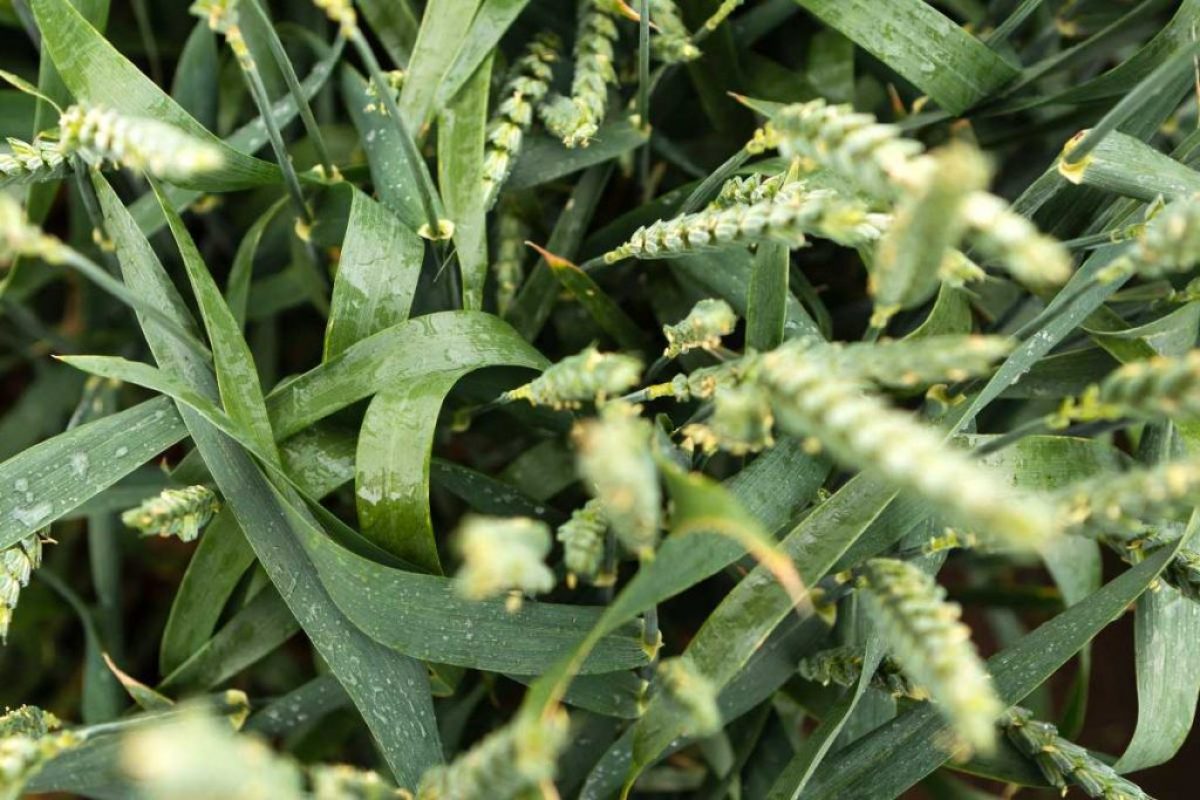
Gene editing is a powerful tool that, if used well, could make our crops more productive, more nutritious, better at withstanding climate change impacts and reduce dependence on pesticides or fertiliser.
But it is essential to acknowledge that a new technology like this cannot, by itself, address the issues of inequality and badly aligned economic incentives that make many aspects of our global food systems environmentally and socially unsustainable.
As with any breeding approach, gains in sustainability will not be automatic. The environmental effects of new varieties developed in this way will depend on the agronomic practices under which they are used. The potential of gene editing to deliver sustainability benefits will only be realised if the development of new varieties is accompanied by appropriate regulation to e.g. reduce the use of pesticides and improve soil health, and by willingness from farmers to change practices accordingly.
Through NISD’s transdisciplinary approach, we want to ensure that crop improvement and changes in agricultural practices serve farmers needs and create environmental, social and economic benefits. Our work is at the interface of crop research, climate and social science. With our partners across UEA and the Norwich Bioscience Institutes, we are working to make global agriculture more sustainable and resilient.
This means engaging with gene editing technologies constructively to realise their potential within agricultural systems that support environmental sustainability and human well-being.
Author: Dr Peter Emmrich
Share this article