NISD forum calls for representation of Global South women’s voices in aquatic food systems
On the 29th of November, The Norwich Institute for Sustainable Development (NISD) hosted an online forum titled “Voices of the Global South: What’s changing for women fishers and fish workers?” to highlight the voices of women in the fishing sector. The event shared the realities of women working in these spaces, the challenges they confront and potential solutions to address new and emerging challenges.
“Women fish workers face so many common problems across the world, yet the stories of solidarity and organisation, whether at the level of the country or village, are inspirational.” said Prof Nitya Rao “There are clearly gaps in terms of affordable and safe technologies, occupational health and nutrition, yet I am sure that by working together, we can move towards our goals of transformation.”
“It was great to welcome such a diverse mix of women fishers and fishing sector members to discuss their daily realities of fish harvest, processing and sale”, said John Innes Foundation Fellow, Dr Natasha Grist, “this broad representation is needed if we are to improve food systems for everyone.”
The event hosted women leaders from the fisheries sector from South Asia, West and East Africa, who shared stories of empowering livelihoods, building networks for improved market access and improving representation of women in decision-making roles.
Emerging challenges in aquatic systems
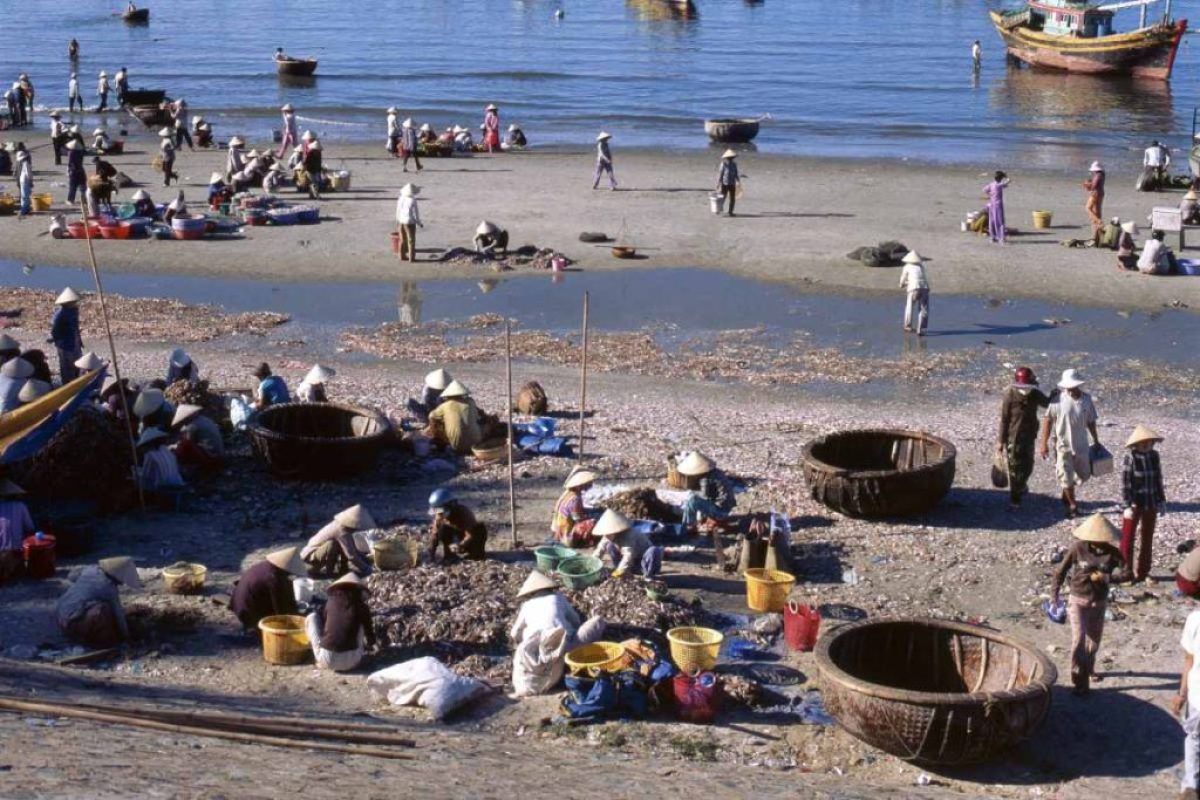
The Voices of the Global South event comes at a time when the small-scale fishing sector faces threats to production, equity and sustainability. Eight hundred million people have livelihoods that rely on aquatic food systems and approximately half of this number is women.
The session was opened by Dr Velvizhi, Director of the Fish for All Training Centre, MS Swaminathan Research Foundation, sharing recordings of local Tamil women who are increasingly struggling with fish catches. Excluded from fishing and processing spaces, threats of spoilage and indebtedness force women to work long hours to source fresh fish and sell their catches, often for low prices.
“Women are an integral and essential part of fisheries but they are not seen as fishers by men or themselves” Said Dr Velvizhi, “we need these women to be considered as equal partners in fisheries activities and linked with urban markets and this inclusion will improve the nutritional and living standards of them and their families.”
Small-scale fishers are particularly vulnerable to climate change. Tropical fish catches are expected to face a 40% decline in response to environmental change. Where climate change causes an area to become less productive, men are likely to migrate for work, while women often remain. Those women who remain tend to work harder and longer than men, and often in working conditions that pose health risks.
Bangladesh Department of Fisheries Assistant Director Mahfoja Begum pointed to potential ways to support women in the fisheries sector, “Women’s work is often bound to the homestead, invisible, and time demanding but receives low returns. We need equal access to job opportunities to improve equal participation in government and employed work”
One particular challenge to women in the fishing sector is their lack of access to infrastructure and markets. Businesses led by women in the fishing sector tend to be restricted to operating informally and excluded from opening business bank accounts. This means they can’t access credit, nor compete in more profitable national markets that require certification, labelling and branding.
“Women are entrepreneurs but many lack the capacity to build on this because they don’t have official businesses or access to bank accounts or credit”, said Ms Lovin Kobusingye, President of the Ugandan National Women’s Fish Organisation (UNWFO) and Founder of the African Women Fish Processors and Traders Network (AWFishNet), “There is a lack of organisational capacity and government systems to support women to trade across borders. What African women need is a concerted voice to articulate and advocate for action on our needs.”
The exclusion of women from higher income sources or building their business puts them in vulnerable positions when trying to find resources to feed their family. Mrs Emelia Abaka-Edu, Vice President, of the National Fish Processors and Traders Association in Ghana, spoke of how her association, now at 13,000 members, could support livelihoods and protect vulnerable women.
“The association came out because the women were not able to speak out or be included in decision-making, so we came together to make this platfrom to voice our challenges.” said Mrs Abaka-Edu, “In Ghana fish processors are financially insecure, causing some women to engage in sex for fish. Through the association, we have been able to reduce this practice through helping groups of women access loans and training them on how to add value to their catches.”
Mrs Emelia Nortey, Centre Manager of the Development Action Association Training Centre in Ghana, spoke about the importance of building relations with policymakers to benefit the women they affect.
“To make our fisher voices heard, every year we visit the Ministry of Food and Agriculture with our women to meet the minister and voice their needs,” said Mrs Nortey, “through these engagements, we realised the fishers’ laws are in English, which the women can’t understand, so the laws were translated into local languages. Also, to grow businesses we are exploring new smoking kilns, which ensure standards of hygiene are maintained for securing appropriate certification”.
World Food Prize Winner for 2021, and Global Lead for Nutrition and Public Health, WorldFish, Dr Shakuntala Haraksingh Thilsted, continued on the importance of increasing the representation of women in fishing sectors in the global discourse.
“Having a voice is hugely important and we now have many women making their voices heard. We must now work at national and sub-national levels to form close interaction between fishers and policymakers. This will be important in ensuring infrastructure and facilities are friendly to women.”
Building on NISD aquatic food research
The Voices of the Global South event follows a year of increased NISD focus on aquatic food systems.
In January 2022, the NISD announced a new research theme of “resilient aquatic food systems”. The theme announcement was followed by hosting Dr Haraksingh Thilsted for the 2022 John Innes Foundation Annual Lecture.
Dr Haraksingh Thilsted’s visit included the signing of a memorandum of understanding committing to more future research collaborations between WorldFish and the Norwich Research Park. Dr Haraksingh Thilsted also announced the opening of a new PhD position between WorldFish, Earlham Institute and the School of International Development at the University of East Anglia.
“Our fisheries research is global and spans marine sciences, environmental and social sciences”, said NISD Research Theme Leader and Associate Professor at UEA, Dr Johanna Forster, “it is through engagement like this recent event, that we can foster diverse partnerships with fishing communities and stakeholders to improve our research and leverage meaningful impact”
The NISD coordinates transdisciplinary research and engagement across the Norwich Research Park and with partners internationally to address global issues on food security and sustainability.
The Voices of the Global South event was hosted with the School of International Development (DEV) at the University of East Anglia. The 2021 Research Excellence Framework listed DEV as number one in the UK for Development Studies.
Share this article