
Resilient aquatic food systems
Improving the resilience of aquatic food systems from genetic, climate change, gender, nutrition and socio-economic perspectives.
Animals and plants grown in or harvested from water play a crucial part in sustainable food, nutrition and livelihoods security across the globe.
NISD research aims to improve the resilience of aquatic food systems through a transdisciplinary approach that combines
- Genetic analysis to inform breeding strategies for better feed efficiency, disease resistance, and tolerance to climate change
- Gendered livelihoods analysis to better understand the role of aquatic foods in sustainable livelihoods, to inform the genetic analysis mentioned (which traits matter for producers), and to assist the design of appropriate post-harvest processing, marketing, finance and insurance models;
- Nutrition studies to examine the content and bioavailability of vitamins, minerals and healthy fats in locally available or newly introduced aquatic foods (e.g. fish powder or edible algae);
- Socio-economic analysis of consumers’ dietary habits to assess how nutritious aquatic foods may be best accommodated in sustainable diets, with a special focus on reaching low-income consumers.
The impacts that we would like to see from these six programmes are wide-ranging and diverse. Among many others, they include changes in UK policy to support sustainable soil management, risk management solutions for coping with climate change for smallholder farmers in the world’s semi-arid regions, and the removal of toxicity from grass pea, an important drought-resilient crop across the global South.
People


News
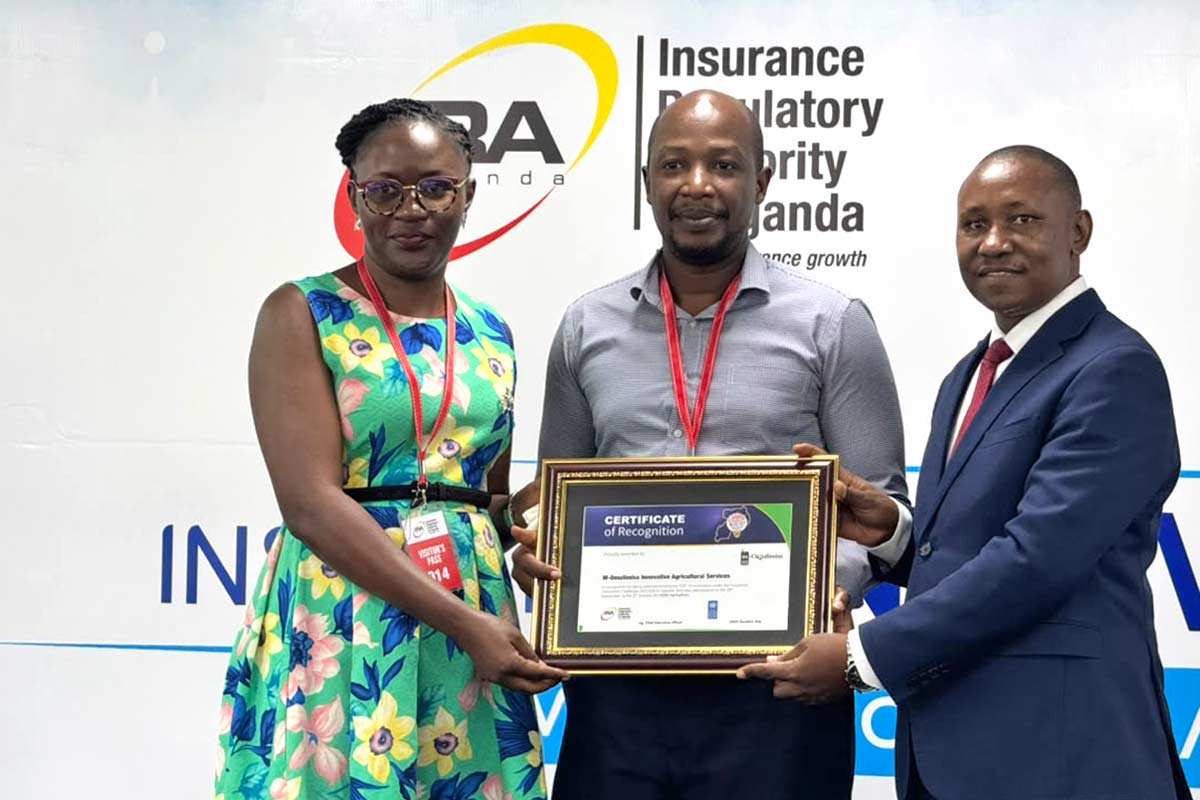
Ugandan knowledge sharing platform recognised for new role in protecting smallholders
A Ugandan agricultural extension, M-Omulimisa, led by NISD researcher Daniel Ninsiima, has been named overall winner of the 2026 Insurance […]
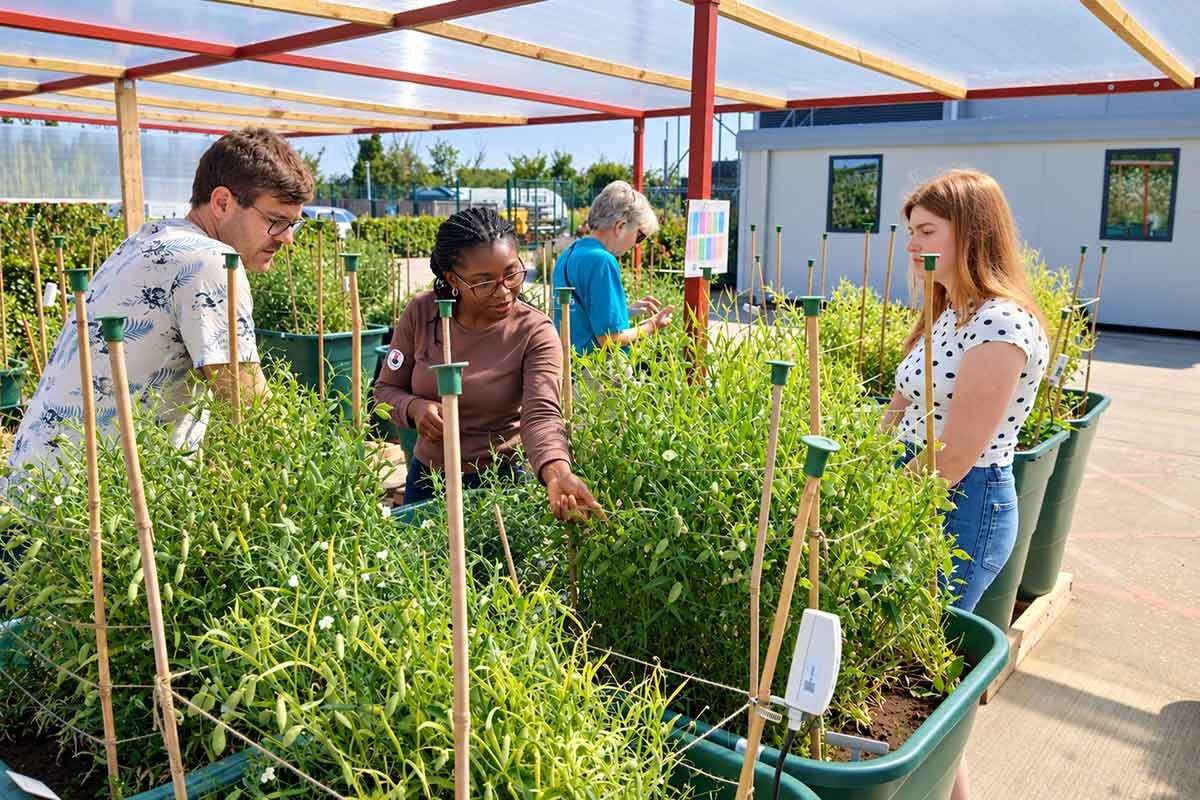
Scaling British Pulses: Moving From Field Trials to Market Reality
What if some of the crops that could help make British farming more sustainable are already available to us, but […]
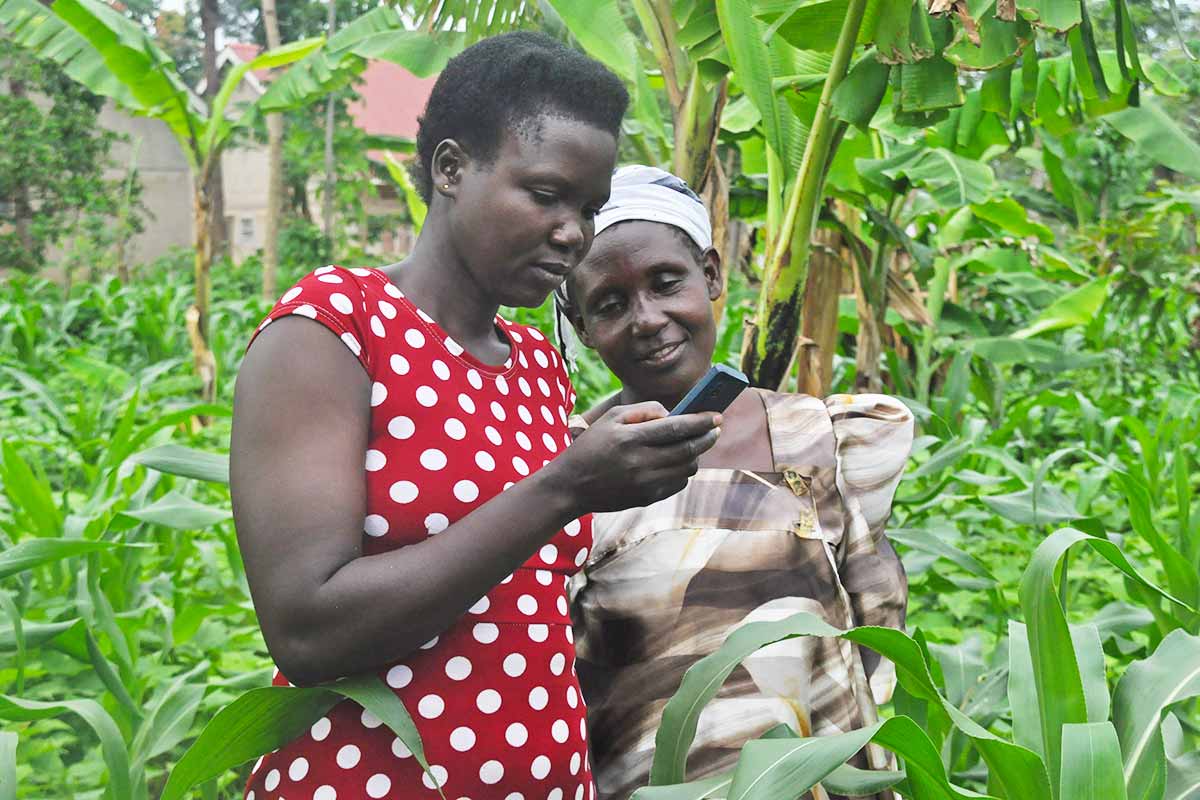
Training 2,500 village agents to close Uganda’s digital farming divide
A new partnership involving the NISD, M-Omulimisa, the Field Lab and the Uganda Forum for Agricultural Advisory Services will recruit […]
