
Grasspea
An insurance crop that could hold the secrets to drought and flood tolerant harvests
The sustainable development need
Climate-resilient agricultural systems which provide nutritional security and have a small carbon footprint.
Grasspea (Lathyrus sativus) is a hardy legume grown for food, feed, and fodder. It is an ancient crop which has been cultivated for more than 8000 years because of its tolerance of drought, flooding, salinity, and poor soils, its ability to fix nitrogen, and its seeds with high levels of protein.
These traits make it an outstanding crop for ensuring nutritional security for resource-poor farmers, especially in the face of impending changes in climate. However, the presence of a neurotoxin (β-ODAP) has limited its breeding and modern-day cultivation. β-ODAP causes neurolathyrism – a paralysis of the lower limbs. If the threat from β-ODAP could be removed, grasspea has great potential.
Our transdisciplinary response
Realising the full potential of grasspea will demand a food systems approach that includes the role of scientists, farmers, consumers, markets and regulators in improving and rehabilitating this orphan crop.
NISD has adopted a cohesive approach that combines biological science to remove the physiological threat of β-ODAP from grasspea, agricultural science to develop and trial new varieties of safe grasspea, behavioural economics to understand farmer and consumer preferences and market analysis to facilitate future deployment of the rehabilitated grasspea crop.
Partners and progress
The NISD team
The NISD team brings together partners from across the Norwich Research Park with collaborators in Kenya, Ethiopia, Morocco and Australia.
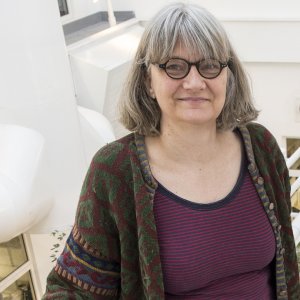


Zewdie Bishaw
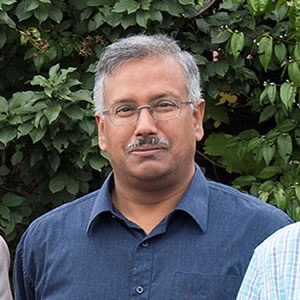
Abhimanyu Sarkar
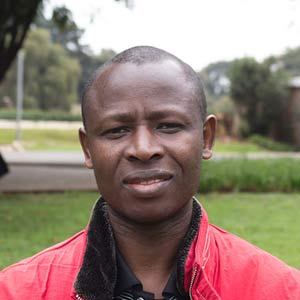
Isaac Njaci

Shiv Kumar Agrawal
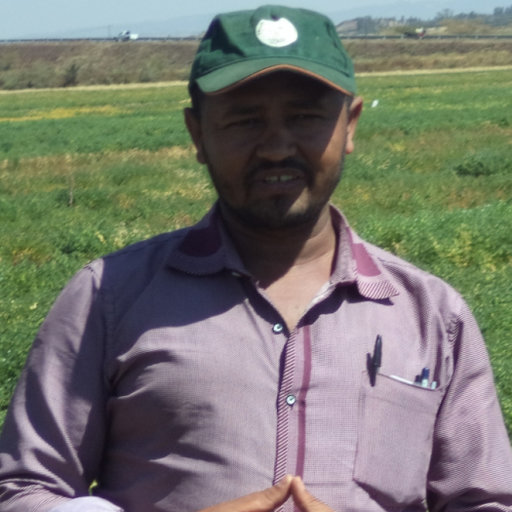
Nigusie Girma

Peter Emmrich

Sagadevan Mundree

Anne Edwards

Matt Heaton
Progress, outputs and outcomes
Considerable progress has been made in breeding safe grasspea varieties. These varieties are now being field-trialled in Ethiopia and Kenya.
Funding
- UKRI-BBSRC GCRF Sustainable Agriculture for Sub-Saharan Africa (SASSA) grant.
- John Templeton Foundation
- UKRI-BBSRC GCRF Agri-Tech Catalyst Seeding Fund Award
Project contact
If you are interested in this project and would like to know more, please contact: p.emmrich@uea.ac.uk
