Why equity and nutrition must lead action plans for sustainable oceans
Aquatic foods feature across all five action areas proposed by the 2021 UN Food Systems Summit to transform food systems. Talking with NISD last month, World Food Prize Winner Shakuntala Haraksingh Thilsted said, “the transformation of food systems is incomplete without the inclusion of aquatic foods.” There seems to be a growing global consensus that if we are to sustainably nourish growing populations, we must consider the role of ocean-derived foods.
Inspired by our recent collaboration with WorldFish, we take an equity and nutrition lens to view some of the emerging risks in ocean food systems. We explore why oceans offer so much potential and how we can build this into equitable action plans to transform food systems.
Demand for ocean foods
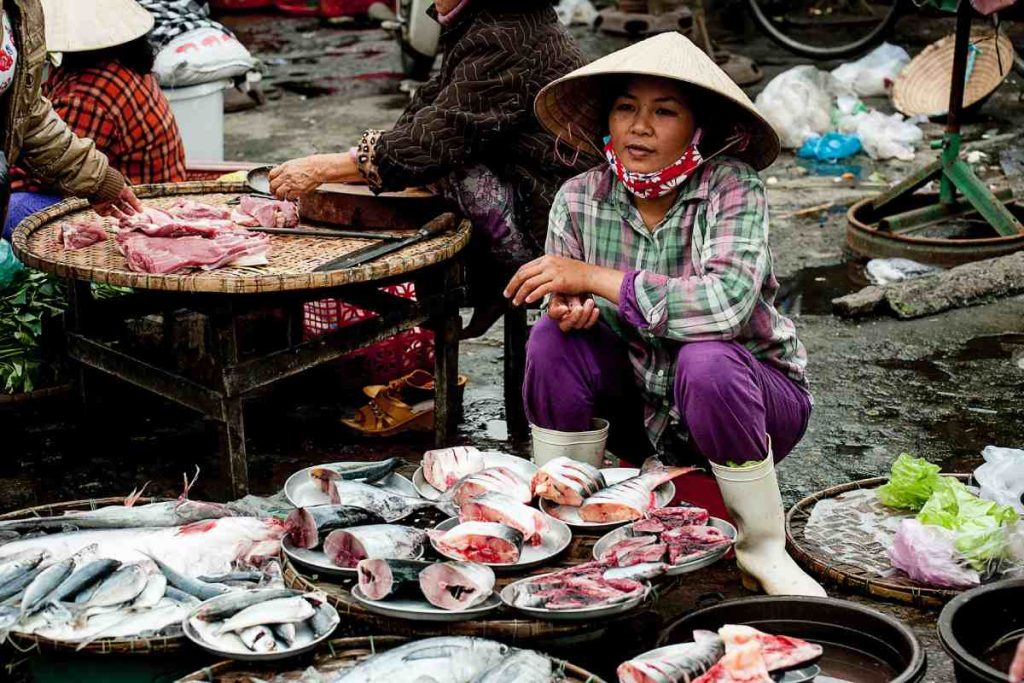
Today, over 3 billion people rely on ocean foods as a rich source of protein and micronutrients. Two thirds of this production comes from small-scale fishers and aquaculture. By 2050, global demand for aquatic food is expected to double; and possibly more if used to replace environmentally damaging terrestrial livestock. Meeting these projected demands might be possible, but not without significant investment and careful planning of how to do so sustainably.
With a predicted scaling-up of marine food production, will these nutrient-rich foods remain nutritionally accessible for the vulnerable? For example, will the most nutritious fish caught by small-scale fishers be eaten locally, or will they disappear along supply chains to high-end restaurants? At a time of great change for fishing communities, how do we make sure the vulnerable are not left behind?
Why oceanic foods?
Marine foods comprise thousands of plants, animals and microbes that are both wild and farmed. Many of these sources are high in proteins, fatty acids and micronutrients including: iron, zinc, calcium, iodine, vitamins A, B12, and D. The rich nutrient combination in ocean foods makes them a valuable resource for human life, from early development and on into healthy ageing; reducing risks of dementia and Alzheimer’s.
In addition to nutrient content, diverse ocean foods have traditionally been eaten across global populations. This deep history can make aquatic foods a culturally acceptable and accessible nutrition source, improving their uptake across communities.
Further, aquatic foods provide livelihoods for coastal communities. Many of the actors involved with aquatic foods are women and youth groups who otherwise face barriers to other markets and employment. By encouraging consumption of aquatic foods, we can do this in ways that can support diverse stakeholders.
Finally, there are forms of ocean food farming that have low environmental impact but great potential for scaling up. For example, small fish, bivalves, and seaweed all offer high biomass for very little environmental impact. These “low-trophic” foods are often affordable to purchase and highly nutritious.
Marine-sourced foods therefore present a potential combination of nutrient dense, socially accessible and low carbon impact products that make them an ideal food and income source for vulnerable groups. However the accessibility of these foods to local populations is not automatic, and appears to be diminishing.
Coastal communities in a crowded ocean
Local fishing communities are facing emerging threats to accessing aquatic foods. The first of these challenges involves conflicting interests for ocean space.
Global actors increasingly draw on marine habitats for energy production, economic prosperity, recreational activities and environmental health. The high running costs of operating out at sea force most of these activities to be concentrated closer to land. Against this backdrop, marine food production competes in an increasingly crowded ocean. The competition becomes even harder for small-scale fishers due to the powerful actors drawn in by the potential profit ocean resources offer.
Ocean assets have an estimated value in excess of 24 trillion dollars and so attract a great deal of attention from investors. Many of these new activities bring large-scale industrialisation of marine areas, backed by sizeable investments from wealthy donors. With such investments comes the need for the owners to retain exclusive access to these projects. The result has been a move from traditionally common access to the sea towards one of restricted areas, increased property rights and tighter governance of space. Amongst this nexus of energy and industrial development, ocean futures are often depicted as techno-utopias, designed for the wealthy and dependent upon niche technical skills.
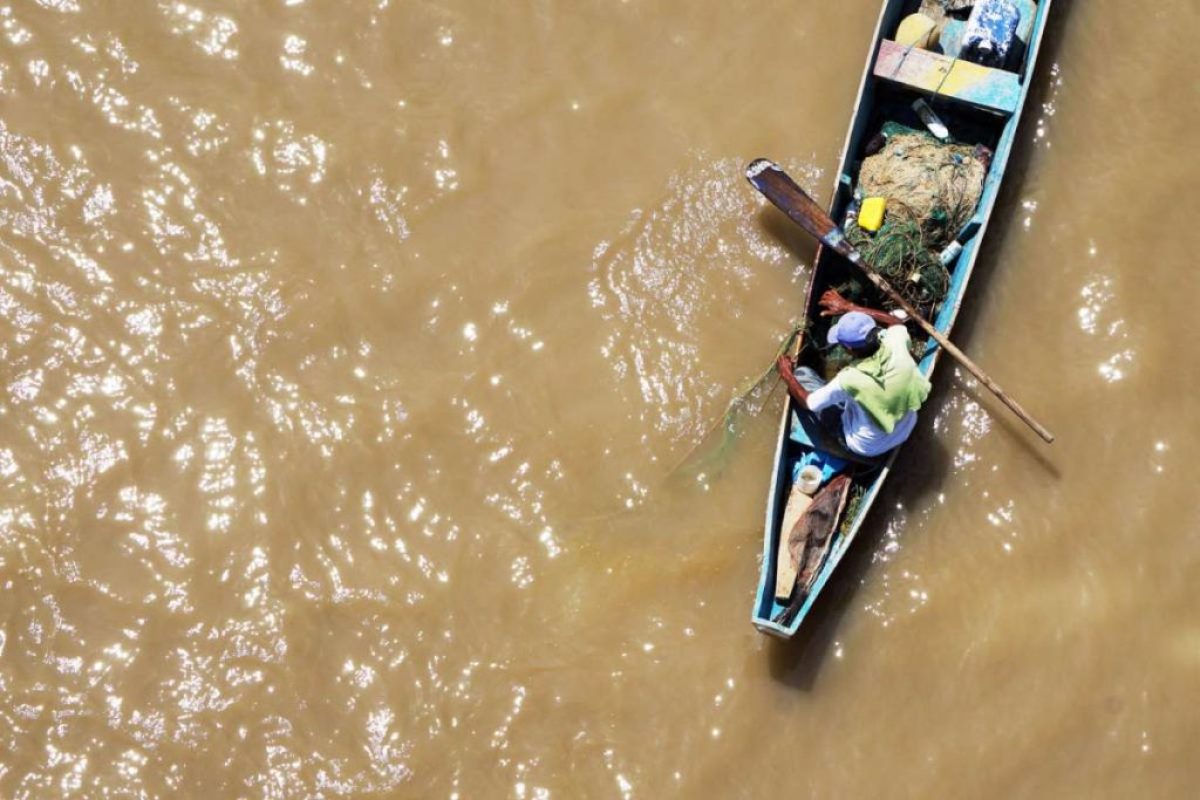
It is in this changing ocean space that small-scale fishers are increasingly pushed out and left behind. They are becoming invisible to much of this recent investment and already it seems that the resources of the sea are moving beyond the reach of fishing communities.
Even where food production persists in this space, small-scale fishers are losing out to global powers who maintain control. Wealthy nations dominate fisheries resources. An estimated 97% of trackable ocean fishing is caught by higher-income nations and nearly 80% of fishing activity takes place in lower-income country waters. At the same time, small-scale fishers access only 16% of global fishing subsidies.
In the changing space of our oceans, food production is being pushed out. Where it does exist, local communities are being outcompeted. A big part of why we need to transform our food systems is a result of chasing global production gains regardless of the social and environmental costs. Our current trajectory sees disproportionate and unsustainable extraction of these resources by the global wealthy, while blocking access to local fishing groups and the communities that rely on them. In the pursuit of raising production to meet consumer demand, coastal communities must not be left behind.
Putting equity and nutrition at the heart of ocean food transformation
We must recognise the crucial role of aquatic foods in food, land and water systems. Understanding these roles will assist transformations for sustainable, nutritious and equitable food systems. Public health and social inclusion must feature alongside strategies to improve climate resilience and biodiversity. Below, we describe some opportunities to keep equity and nutrition at the heart of ocean food system transformation plans.
The first is that we must improve representation, diversity and inclusion in ocean decision making. Ocean states, coastal and fishing communities must be a part of decisions about how coastal resources are governed, accessed and protected.
Where innovations take coastal space, they should be co-produced to complement existing local involvement and especially aim to engage women and youth. For example, complementing local fishers, fish farmers, processing hubs, markets and consumer preferences. Capacity building should focus on inclusive institutions at the community and municipal level, such as community-based fisheries.
Good decisions are underpinned by good understanding. We must amplify investments in research, innovations and scaling of aquatic food solutions at household, national, regional and global levels. Knowledge that informs decisions should be based on transdisciplinary research collaboration to ensure broad representation of stakeholders. These ecosystems of knowledge should be the foundation for sustainable transformation action plans.
Oceans and coastal systems offer opportunities to farm locally produced, highly nutritious, low environmental impact food sources; such as small fish, seaweeds and bivalves. Product innovations in this area should target improvements to affordability, accessibility, convenience and longevity. For example, dried or preserved fish offers highly concentrated nutrient supplements that keep for long periods of time and can easily be added to meals. These forms of innovation can add nutritional supplements to meals without imposing additional time burdens on family providers. Since these nutrient sources are particularly important for the dietary health of children, pregnant women and the elderly, they should be targeted with the needs of these groups in mind.
Growing demands for ocean foods will also be met by reducing losses from current harvests. One side of this involves limiting losses by improving capture or farming systems to reduce bycatch and wastage. The other side is investment in innovations that improve the preservation of foods, such as drying. Preserved foods not only increase shelf life, they also increase the geographic reach of these products to more distant communities.
Ultimately, many wild ocean foods depend upon complex ecosystems. New tools offer methods to assess where aquaculture makes sense from sustainability and food safety standpoints; and where we should prioritise habitat restoration. Through integrated approaches with coastal communities, we can find a balance that works for people and planet.
In summary
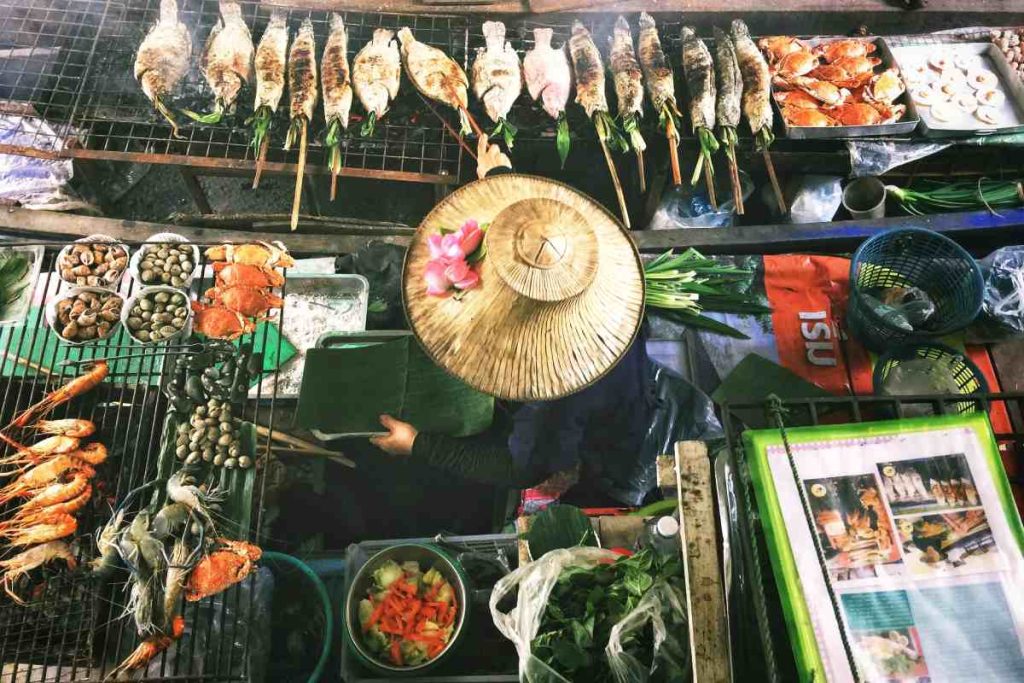
Oceans offer profound value to global populations beyond monetary units. In the unfolding story of our changing needs from the ocean, we must make sure that equity and nutrition are central in sustainable food planning. Where equity and representation break down, so too will transformations to a better system
There is a transactional relationship with the ocean; the result of what can we get from it and what we put in. Only through a narrative shift to nourishing all people and the planet, can we move towards resilient and sustainable aquatic food systems.
Author: Matt Heaton
—
Further reading
- UN Nutrition discussion paper – The role of aquatic foods in sustainable healthy diets.
- Harnessing global fisheries to tackle micronutrient deficiencies
- A transition to sustainable ocean governance
- Fish, n-3 fatty acids, cognition and dementia risk: not just a fishy tale
- Small‐scale fisheries and local food systems: transformations, threats and opportunities
Share this article