
Supporting sustainable soil management
Combining behavioural economics, agricultural and soil science to determine management practices, policies and market signals needed for farmers adoption.
Healthy soils are crucial to minimise GHG emissions from agriculture, maintain biodiversity and safeguard crops against climate change impacts. Soil health is affected by the choice of crop species and environmental conditions, but most of all by soil and land management practices (including cover cropping, rotations, pest and nutrient management, livestock integration, etc.). If soil carbon sequestration is to be a significant climate mitigation and adaptation strategy, scientifically sound soil management practices need to have lasting appeal for farmers. To this end, the NISD plans transdisciplinary work combining behavioural economics and agricultural and soil science to determine optimal management practices in different soil types and crop systems, and the information, policies and market signals needed to encourage and inspire farmers to widely adopt such practices.
People


News

Ugandan knowledge sharing platform recognised for new role in protecting smallholders
A Ugandan agricultural extension, M-Omulimisa, led by NISD researcher Daniel Ninsiima, has been named overall winner of the 2026 Insurance […]
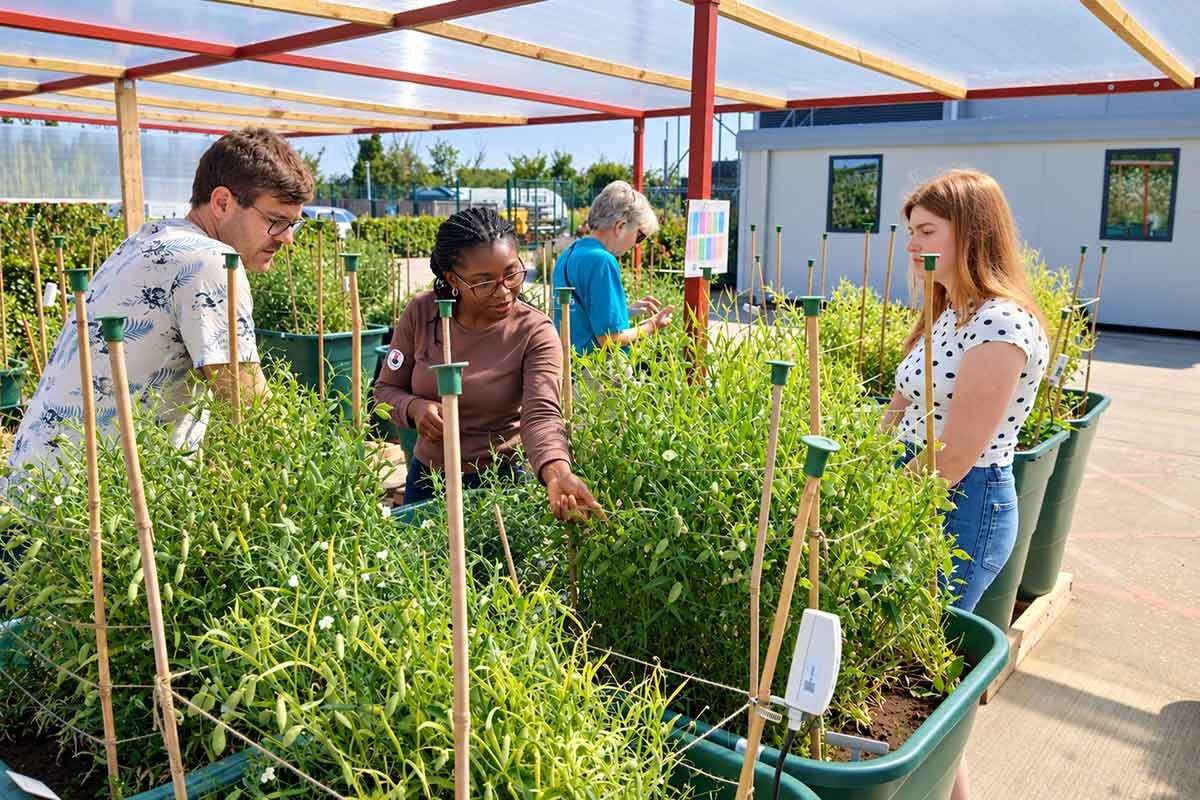
Scaling British Pulses: Moving From Field Trials to Market Reality
What if some of the crops that could help make British farming more sustainable are already available to us, but […]
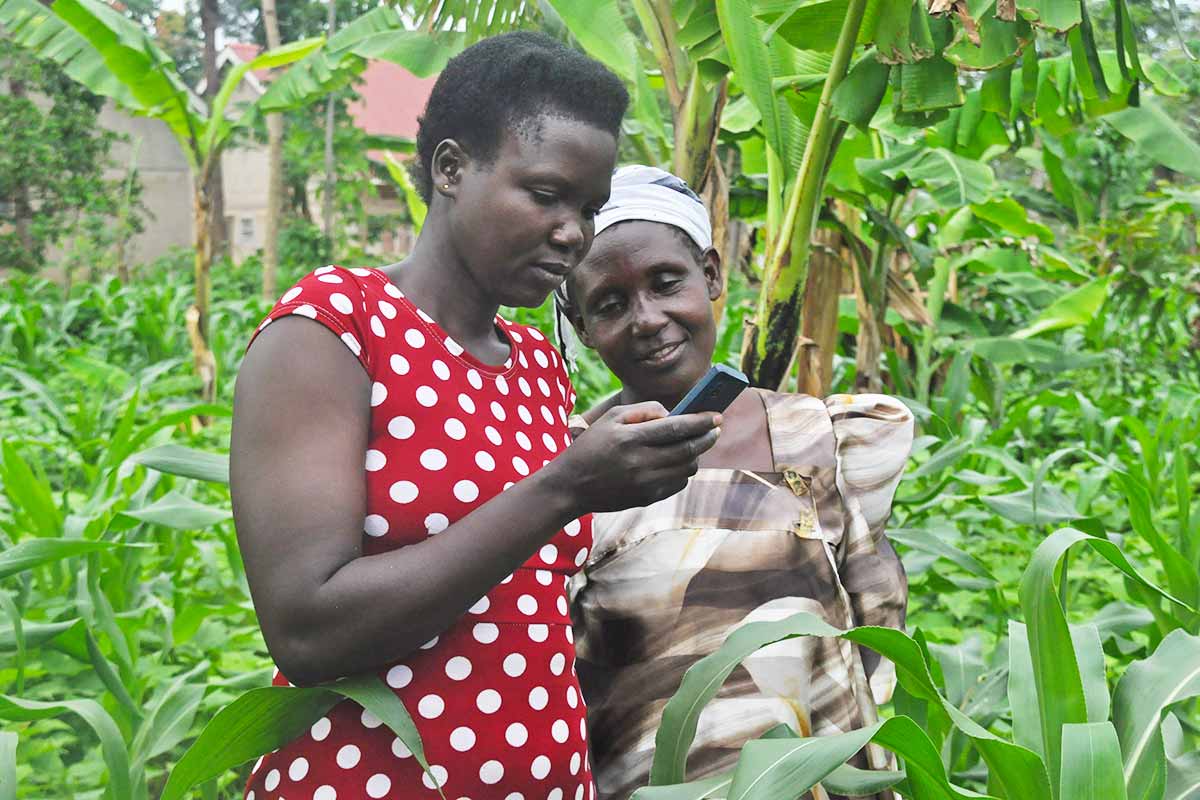
Training 2,500 village agents to close Uganda’s digital farming divide
A new partnership involving the NISD, M-Omulimisa, the Field Lab and the Uganda Forum for Agricultural Advisory Services will recruit […]
