
Legume crops for the future
Nutritionally-secure and environmentally-sustainable crops
The sustainable development need
Low-input, high-protein food systems for future global dietary patterns.
In the face of era-defining demographic and climatic challenges, those voices calling for radical change in global dietary patterns are becoming louder. National and supranational food policy is also changing in response to scientific evidence, political imperative and consumer demand.
One clear message is the desirability of a global shift in the balance between meat-based and plant-based foods. Achieving this shift in a nutritionally-secure and environmentally-sustainable way will most likely require very significant increases in legume production and consumption, combined with improved legume crops for the future, alongside detailed understandings of the context of people’s dietary choices, and factors influencing this.
One of our most advanced projects on legumes is on grass pea which is described more here.
Our transdisciplinary response
NISD will adopt a holistic food systems approach in its legumes programme, which combines:
- crop science – breeding new legume varieties for improved yield, disease resistance and nutritional profile;
- nutrition science – the importance of protein and carbohydrate quality in changing diets;
- Behavioural science– understanding multiple factors influencing shifts in dietary patterns and choices at individual level ;
- Social sciences – clarifying the role of policy and information alongside the influence of peer and social groups in transformational change in diets;
- agricultural science – understanding and supporting farmers’ preferences for legume crops in both the developed and developing world;
- business studies – supply chains to fuel the growing need for legume protein globally.
Partners and progress
The NISD team
The NISD team brings together collaborators from across the Norwich Research Park with partners in the developing world:


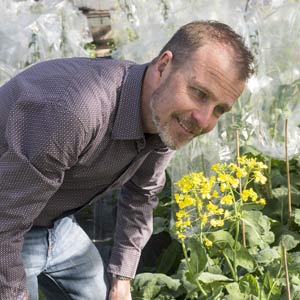

Noel Ellis

Natasha Grist

Maria Isabel Santana

Stefan Penczynski

Arjan Verschoor

Cathrina Edwards

Progress, outputs and outcomes
TBC.
Funding
JIC has received UKRI-BBSRC GCRF Agri-tech Catalyst Seeding Award to start work with ICARDA in Morocco to explore the potential of improved chickpea varieties in Africa.
Project contact
If you are interested in this project and would like to know more, please contact: a.verschoor@uea.ac.uk
