Paola Vargas Arana

NISD Member
University of East Anglia
Email address: P.Vargas-Arana@uea.ac.uk
Bio
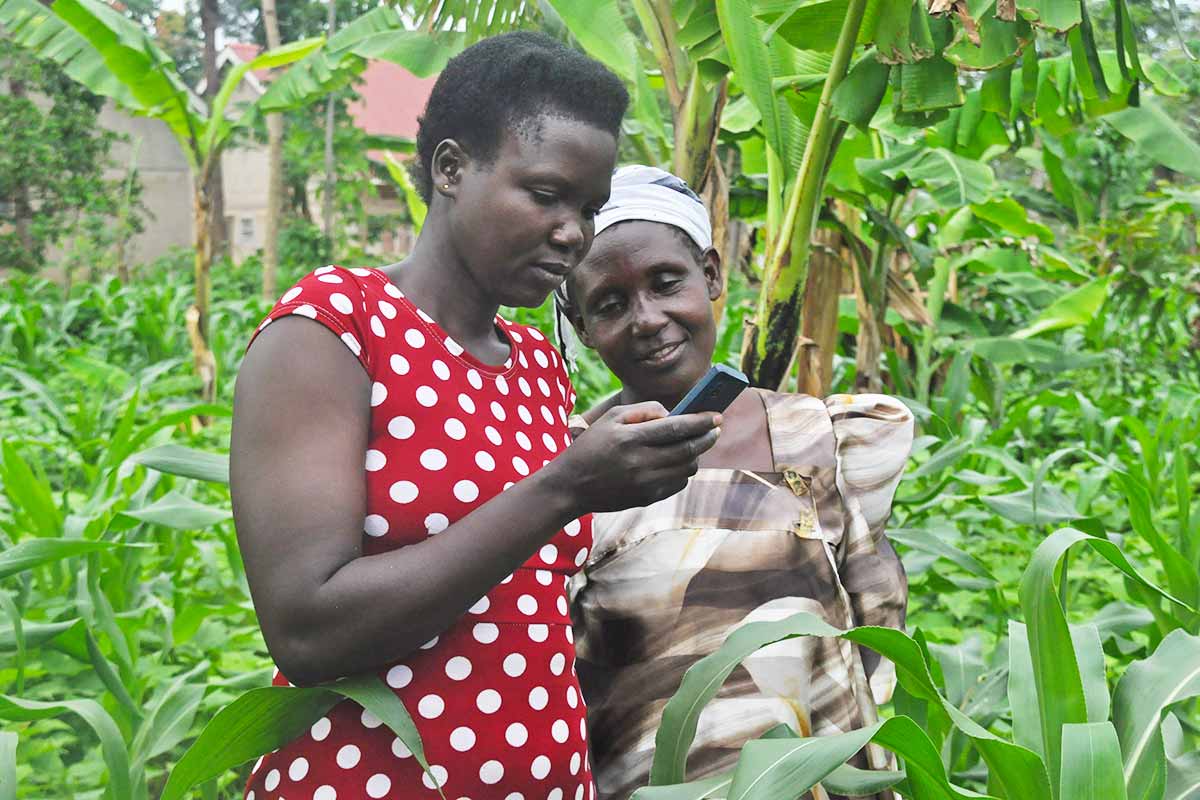
Paola leads the project: Practices, Livelihoods, Agriculture, Taste and Ecology (PLATE), an ERC Starting Grant that investigates what food security research has largely overlooked: the role of food heritage as a living infrastructure of food security and nutritional resilience. The project takes as its case study a South Atlantic food system that originated in the forced migrations of the slave trade and endures today. Fieldwork in The Gambia and Afro-Colombia traces shared contemporary practices maintained by populations separated centuries ago, examining how women’s environmental, agricultural and culinary knowledge constitutes a largely unrecognised strategy for climate resilience and food security.
Paola grounds this investigation in her monograph, African Memories, Foodways and Freedom in Colonial Colombia’s Gold Mines: Gender, Identities, and Intercultural Worlds in Antioquia (British Academy and Liverpool University Press, 2026), which established that 71% of the enslaved population brought to Antioquia’s gold mines during the sixteenth century originated from the Upper Guinea Coast. The book demonstrates how Upper Guinea women created agrarian provisioning systems that structurally contributed to the sustainability of the colonial mining economy and resulted in Colombia’s staple diet to the present day.
The ERC carries that finding forward, asking, from a Feminist Political Ecology perspective, how these women’s food heritage persists under compounding pressures from climate change, industrialised food expansion, and structural gender inequality. The project will generate the first open-access dataset of heritage dishes, combining composite nutrient charts and laboratory biochemical assessment with ethnographic interpretation of taste, sensory knowledge, and ecological principles on equal footing.
The ambition is to produce a transferable methodology for context-grounded food security policy, on the premise that food heritage is not merely a cultural artefact but the very infrastructure of food security in vulnerable communities, one that policy must recognise if it is to be effective.
An anthropologist and historian by training, Paola has held a British Academy Newton International Fellowship at King’s College London and research positions at the Institute for Advanced Studies in the Humanities, University of Edinburgh, and at the University of Manchester.